
Butter vs. Beef Tallow: When and Why to Use Them
Updated: May 10, 2025
In the world of traditional cooking fats, butter often gets the spotlight — creamy, flavourful, and a nostalgic staple in many kitchens. But there’s another ancestral fat that’s making its well-deserved comeback: beef tallow. Once a cooking essential in homes around the world, beef tallow has been largely forgotten in favour of processed oils and low-fat trends.
Now, as more and more people wake up to the harmful effects of industrial seed oils — inflammation, hormonal disruption, and oxidative stress to name a few — we're seeing a return to traditional fats that truly support our health. And beef tallow is at the center of that return.
Rich in nutrients, stable at high temperatures, and free from the ultra-processing of modern oils, beef tallow is finally being recognised for what it always was: clean, powerful fuel for both our bodies and our skin. And honestly? We couldn’t be happier to see it make a comeback.
In this blog, we’ll break down the differences between butter and beef tallow, explore their unique strengths, and help you understand when and why to reach for each. Whether you're cooking a nourishing meal or looking for skin-loving fats, we’ll show you how both can shine — in the right context.
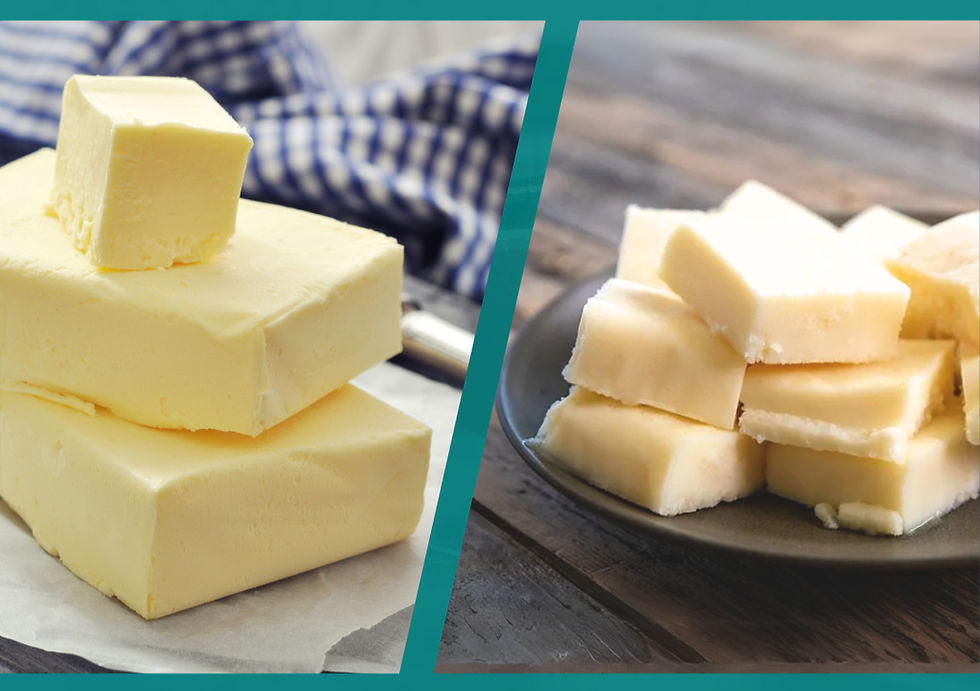
What’s the Difference Between Butter and Beef Tallow?
While both butter and beef tallow are traditional, nourishing animal fats, they differ in origin, composition, and use — and deciding which is “better” really comes down to your goals and context.
Butter is made from churning cream, which gives it its creamy texture and slightly sweet or tangy flavoor, especially in cultured varieties. It contains not only fat, but also water and milk solids. These milk solids give butter its signature richness in baking and spreading — but they also make it prone to burning at high temperatures. That’s why for high-heat cooking, butter often needs to be clarified (into ghee) to remove the solids — an extra step that not everyone wants to take.
Beef tallow, by contrast, is a pure rendered fat from cattle. It contains no water or milk solids, making it highly stable and ideal for high-temperature cooking like frying or roasting. Its flavour ranges from neutral to subtly beefy depending on how it’s rendered, giving dishes a rich, hearty undertone.
In terms of shelf life, tallow is more stable and resistant to spoilage, even at room temperature. Butter — particularly unsalted — can go rancid relatively quickly without refrigeration.
Nutritionally, both fats have value. Butter offers fat-soluble vitamins like A, D, and K2, along with trace minerals, and can be more nutritious than it’s often given credit for. Tallow, especially from grass-fed, stress-free, organic sources, is a great source of choline, vitamin A, vitamin D, and nourishing saturated fats. As we’ve covered in previous discussions: source matters. When animal fats come from animals raised in healthy, natural conditions, these fats support rather than harm your health (read more about this topic here).
How to Use Tallow vs. Butter in Your Kitchen: Practical Examples
Now that we understand the differences in flavour, structure, and nutrition, let’s get practical. The way you use tallow versus butter in everyday cooking can make a real difference in both taste and health benefits. While both fats have their strengths, they shine in different types of dishes and techniques. From deep-frying golden potatoes to baking rich desserts or sautéing veggies, choosing the right fat can elevate your cooking — and nourish your body at the same time. Here's when to reach for each.
Binding the Rub to Your Steak with Tallow

A great dry rub can completely transform a piece of meat — from ribs to brisket, pork shoulder to prime rib. It’s a go-to method for braai enthusiasts and home cooks alike, helping create that mouthwatering crust packed with spice, depth, and character.
Those spices need something to cling to. Most people instinctively reach for vegetable oil to bind their rubs. But as we now know, highly processed seed oils can promote inflammation and degrade quickly under heat. So why coat your beautiful cut of meat in something that works against your health?
This is where beef tallow steps in — and shines. Tallow not only holds your spices and herbs in place, but actually enhances their impact. Many of the compounds that carry flavour are fat-soluble, meaning they release and infuse into the meat more effectively when combined with a natural fat like tallow.
✅ How to do it: Just warm a small amount of tallow until soft, rub a thin layer onto your meat, and apply your dry rub. The result? A better crust, deeper taste, and a much more nourishing process.
Sear the Perfect Steak in Tallow

There’s a reason a beautifully browned steak tastes so incredible—it’s all about that Maillard reaction: the rich, flavorful magic that happens when meat hits high heat. Your grandmother may not have known the science behind it, but she knew a good sear when she tasted one.
While grilling is popular, a cast-iron skillet often delivers an even better sear, creating a deep, edge-to-edge crust. These pans retain heat extremely well, which is exactly what you need for proper browning. Just avoid nonstick pans—they not only fail at high-heat cooking, but they can also release harmful chemicals when overheated. Choosing cast iron isn’t just better for your steak—it’s better for your health.
Now, about the fat: butter can’t take the heat. It burns easily due to its milk solids. Tallow, on the other hand, is a pure, heat-stable fat that’s perfect for high-temp searing. It adds a subtle, savoury depth that enhances the natural flavour of your steak.
✅ How to do it: Preheat your pan until it’s hot, spoon in a bit of tallow, swirl to coat, and lay down your steak. You’ll get that perfect sear and a flavor boost without any burnt, bitter notes.
Finish Your Steak with Butter

While tallow is unbeatable for high-heat searing, butter still deserves a place at your table — just at the right stage of cooking. Used to finish your steak, real, grass-fed butter adds a depth of flavour and richness.
✅ How to do it: Once your steak is seared (in tallow, of course), toss in a spoonful of high-quality butter with a few whole garlic cloves or fresh herbs like rosemary or thyme. Tip the pan so the butter pools to one side, and start basting — spooning that aromatic, bubbling butter over your steak until it’s glossy and golden. As the butter browns, it takes on a nutty, complex flavour and absorbs the aroma of the herbs — creating a crust that’s deeply savoury, and a sauce base that's next-level. Once your steak is resting, pour that infused butter over top or reduce it into a pan sauce.
Note: Avoid cheap, processed butters full of additives or dairy from stressed, grain-fed cows. These lack the nutrients and can contribute to inflammation — the opposite of what your body (and skin) needs.
Use Tallow for Frying

When it comes to frying — whether you're crisping up potatoes, shallow-frying chicken, or making anything golden and crunchy — high-temperature stability is non-negotiable. That’s where beef tallow shines for its pure, stable fat with a naturally high smoke point. This makes it one of the safest and most flavorful fats for frying.
Believe it or not, tallow used to be the gold standard in restaurants. Even McDonald’s originally fried their fries in beef tallow, which gave them their famous rich flavor and golden texture. But in the 1990s, most restaurants — under pressure from anti-saturated fat campaigns — made the switch to highly processed seed oils, like soybean and canola.
The problem here? Seed oils oxidize under high heat, forming harmful compounds (like aldehydes) that are linked to inflammation and chronic illness — not to mention the gut and skin issues we now see everywhere.
Bringing back ancestral fats like tallow means returning to a way of cooking that prioritizes nourishment, flavor, and real health. Your fries will be crispier, your pan will stay smoke-free, and your body will thank you.
Butter vs. Tallow for Seafood

If you love a classic butter-and-lemon fish — think delicate white fish like sole or cod, or luxurious shellfish like crab and shrimp — then butter is still your best friend. Its light, creamy flavour complements these gentle proteins without overwhelming them. Just be sure to keep the heat low and gentle, as butter can burn quickly due to its milk solids.
But when it comes to deep frying seafood, especially heartier options like battered white fish or oysters, tallow is the superior choice. It holds up beautifully at high temperatures, crisps your coating perfectly, and brings just a touch of richness without overpowering the flavour of the seafood.
Bake Sweets with Butter

In the world of nourishing, ancestral baking, butter plays an essential role. Its creamy texture and rich, subtle flavour make it ideal for everything from bread to naturally sweetened treats. Unlike seed oils or margarine, butter — especially when it’s organic and grass-fed — is a whole food fat that your body knows how to recognise and use.
Butter contributes to structure, tenderness, and that satisfying, melt-in-your-mouth feel we love in baked goods. It’s packed with fat-soluble nutrients like vitamins A, D, E, and K2, and contains butyrate, a short-chain fatty acid known for supporting gut health and reducing inflammation.
Bake Savoury with Tallow

When it comes to savoury baking, tallow can be a game-changer. Its rich, beefy flavour is perfect for adding depth to dishes like savoury muffins, quiches, or meat pies. Unlike butter, tallow brings a more robust, umami quality to the table, making it ideal for recipes that benefit from a hearty base.
In savoury baking, tallow’s purity shines, as it doesn't overpower the delicate ingredients like herbs, cheeses, or vegetables. Whether you're making a grain-free crust or adding richness to a filling, tallow provides a nourishing fat that supports satiety and overall wellness. Plus, its high smoke point means it won’t break down during baking, ensuring you get all the beneficial properties it has to offer.
Use tallow for a flaky, golden crust on your quiches or a moist, savoury muffin that holds up well and complements the richness of meats and veggies. If you're looking to elevate your savoury dishes with a truly nourishing fat, tallow is the way to go.
Fry Eggs with Tallow & Butter

Eggs are a staple breakfast item, but you can elevate your egg game by cooking them in tallow. This fat is perfect for frying eggs because of its high smoke point, which allows you to cook your eggs at a high temperature without worrying about the fat breaking down. When you fry eggs in tallow, you'll get crispy edges that add a satisfying texture to your eggs, while the inside remains tender and rich.
If you like fried eggs, you’ll appreciate how tallow enhances the natural flavour of the egg with its subtle, beefy richness. Combine it with a little butter for the perfect balance of crispiness and creaminess. You can also experiment by adding herbs, spices, or a pinch of sea salt to the tallow as it heats up in the pan, infusing your eggs with extra flavour. Whether you’re making a classic sunny-side-up egg or scrambling eggs, tallow offers an extra layer of nourishing goodness that boosts both taste and health benefits.
Sauté Vegetables with Tallow
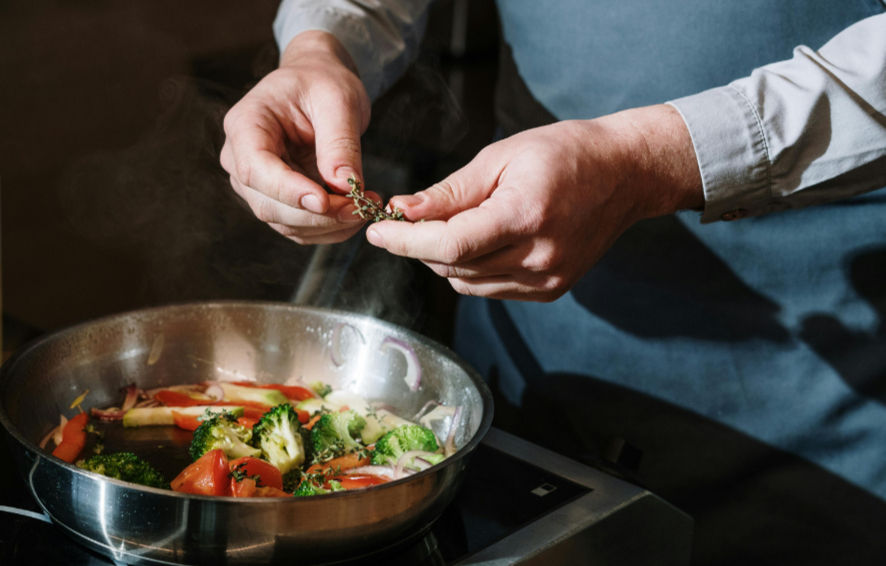
When it comes to sautéing vegetables, tallow can be an excellent alternative to traditional oils. It’s perfect for root vegetables like carrots, sweet potatoes, and parsnips, or even leafy greens such as spinach and kale. The high smoke point of tallow ensures it won’t break down or become toxic at high temperatures, allowing you to cook your vegetables to perfection.
Tallow helps caramelize vegetables, creating a deliciously crispy exterior while keeping the interior tender. The natural richness of tallow adds depth and a subtle umami flavor, enhancing the taste of the vegetables. Whether you’re sautéing onions for a savory dish or roasting brussels sprouts for a crispy side, tallow will help you achieve that golden-brown exterior while locking in moisture. It’s a fantastic way to boost the nutritional value of your veggies, ensuring you’re not just adding flavor, but also healthy fats and essential vitamins to your meal.
The Takeaway
Both butter and beef tallow have their place in a nourishing, traditional kitchen — it’s not about choosing one over the other, but knowing when and how to use each to their full potential. Butter brings a rich, delicate flavour and is perfect for finishing dishes, baking, or adding a creamy touch to your meals. Tallow, on the other hand, is your go-to for high-heat cooking, savoury depth, and ancestral nutrition.
At Pure Peak, we honour the wisdom of traditional fats with our 100% grass-fed, slow-rendered Beef Tallow — clean, nourishing, and free from additives or seed oils. Whether you’re searing steaks, roasting vegetables, frying eggs, or crafting savoury pies, our tallow is a staple you can trust. Bring it back into your kitchen and experience the difference real, whole fats can make — for both your cooking and your health.
👉 Try Pure Peak’s Beef Tallow today and taste the difference. Your body will thank you.


Comments